The way people book hotels has changed dramatically over the past few years. In 2026, travelers expect more than a functional booking engine—they want a seamless, personalized, and trustworthy digital experience from the moment they begin planning a trip. A hotel’s website is no longer just an online brochure; it’s often the deciding factor between securing a direct booking or losing a potential guest to a competitor or online travel agency (OTA).
Today’s guests research extensively, compare multiple options, read reviews, browse photos, and expect immediate answers to their questions. Hotels that understand this evolving booking journey can create digital experiences that inspire confidence, reduce friction, and encourage more direct reservations.
How the Hotel Booking Journey Has Changed
The traditional booking process was relatively straightforward. Travelers searched for a destination, compared prices, and completed a reservation. Modern travelers, however, move through multiple stages before making a decision.
The typical journey now includes:
- Inspiration and destination research
- Comparing hotels across several platforms
- Visiting hotel websites for additional information
- Reading guest reviews
- Browsing room photos and amenities
- Checking availability on multiple devices
- Looking for direct booking benefits
- Completing a reservation—or leaving to continue comparing options
Because guests switch between devices and platforms throughout this process, hotel websites must deliver a consistent experience at every touchpoint.
Travelers Expect Speed at Every Step
Patience has become one of the rarest commodities online. Guests expect hotel websites to load quickly, display accurate information instantly, and allow them to complete bookings without delays.
Slow websites can create immediate frustration, especially on mobile devices.
To meet modern expectations, hotel websites should prioritize:
- Fast page loading times
- Responsive performance across all devices
- Quick availability searches
- Minimal waiting during checkout
- Optimized images without sacrificing quality
Every second saved during the booking journey helps maintain user engagement and reduces the risk of abandonment.
Mobile-First Is No Longer Optional

For many travelers, smartphones are the primary tool for researching and booking accommodation. Whether planning a weekend getaway or an international vacation, guests often expect to browse hotels comfortably from their phones.
A modern hotel website should provide:
- Large, easy-to-tap buttons
- Mobile-friendly booking calendars
- Simple navigation menus
- Fast-loading pages
- Clear pricing
- Secure mobile payments
A poor mobile experience can quickly send visitors elsewhere, even if the hotel itself is an excellent choice.
Personalization Has Become an Expectation
Generic experiences no longer satisfy today’s travelers. Guests increasingly expect websites to recognize their preferences and present information that feels relevant.
Hotels can create more engaging experiences by offering:
Personalized Room Recommendations
Showing room categories based on guest preferences, travel history, or group size helps visitors find suitable options more quickly.
Tailored Promotions
Instead of displaying identical offers to everyone, hotels can present seasonal packages, family deals, romantic escapes, or business travel promotions based on browsing behavior.
Relevant Local Experiences
Guests appreciate recommendations for nearby attractions, dining, transportation, and activities that complement their stay.
Personalization helps transform a standard booking process into a more meaningful guest experience.
Transparency Builds Trust
Modern travelers are cautious when making online purchases. Hidden fees, unclear policies, or confusing pricing can cause guests to abandon a booking, even at the final stage.
Hotel websites should clearly communicate:
- Total room price
- Taxes and service charges
- Cancellation policies
- Check-in and check-out times
- Available amenities
- Parking information
- Payment options
Clear communication reduces uncertainty and increases confidence in booking directly.
Guests Want High-Quality Visual Content
Travel decisions are heavily influenced by visuals. Guests want to understand exactly what they are booking before making a commitment.
Effective hotel websites include:
- Professional room photography
- Images of common areas
- Dining and wellness facilities
- Meeting spaces
- Outdoor amenities
- Local surroundings
Interactive galleries, 360-degree room tours, and videos can further help guests visualize their experience before arrival.
Simplicity Drives More Bookings
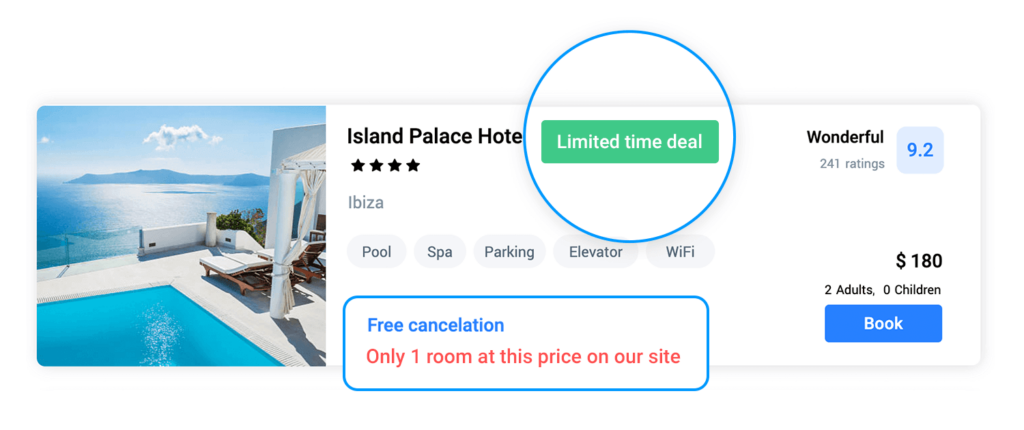
Complicated booking processes create unnecessary friction. Travelers expect hotel websites to make reservations easy rather than requiring multiple steps or excessive information.
A streamlined booking experience should include:
- Visible “Book Now” buttons
- Easy date selection
- Simple room comparisons
- Minimal form fields
- Guest checkout without mandatory account creation
- Clear progress indicators
The fewer decisions guests must make, the easier it becomes to complete a reservation.
Real-Time Information Matters
Guests expect hotel websites to provide accurate, up-to-date information at all times.
This includes:
- Live room availability
- Current pricing
- Active promotions
- Seasonal packages
- Amenity availability
- Event information
Displaying outdated rates or unavailable rooms creates frustration and can damage trust.
Digital Assistance Is Becoming Standard
Travelers increasingly expect immediate answers without needing to call the hotel.
Modern digital features can include:
AI-Powered Chat Support
Guests can quickly ask questions about room availability, amenities, parking, or policies without leaving the website.
Smart FAQs
Well-organized frequently asked questions reduce uncertainty and speed up decision-making.
Self-Service Booking Management
Allowing guests to modify reservations, upgrade rooms, or request additional services online improves convenience while reducing administrative workload.
These digital tools create smoother experiences while supporting hotel staff.
Guests Compare More Than Prices
While pricing remains important, modern travelers evaluate hotels using many additional factors before booking.
Common comparison points include:
- Website quality
- Booking convenience
- Guest reviews
- Flexible cancellation
- Loyalty benefits
- Included amenities
- Special offers
- Overall trustworthiness
Hotels that communicate value clearly often compete successfully without offering the lowest price.
Direct Booking Benefits Must Be Clear
Many travelers are willing to book directly if they understand the advantages.
Effective incentives may include:
- Exclusive rates
- Complimentary breakfast
- Flexible cancellation
- Free parking
- Room upgrades when available
- Loyalty rewards
- Early check-in or late checkout
These benefits should be prominently displayed throughout the booking journey rather than hidden on a separate page.
Accessibility Is an Essential Part of the Guest Experience
An inclusive website benefits all visitors while making booking possible for guests with diverse needs.
Important accessibility considerations include:
- Readable typography
- Strong color contrast
- Keyboard-friendly navigation
- Alternative text for images
- Clear page structure
- Accessible booking forms
Designing with accessibility in mind improves usability for everyone and creates a more welcoming digital experience.
Using Data to Continuously Improve
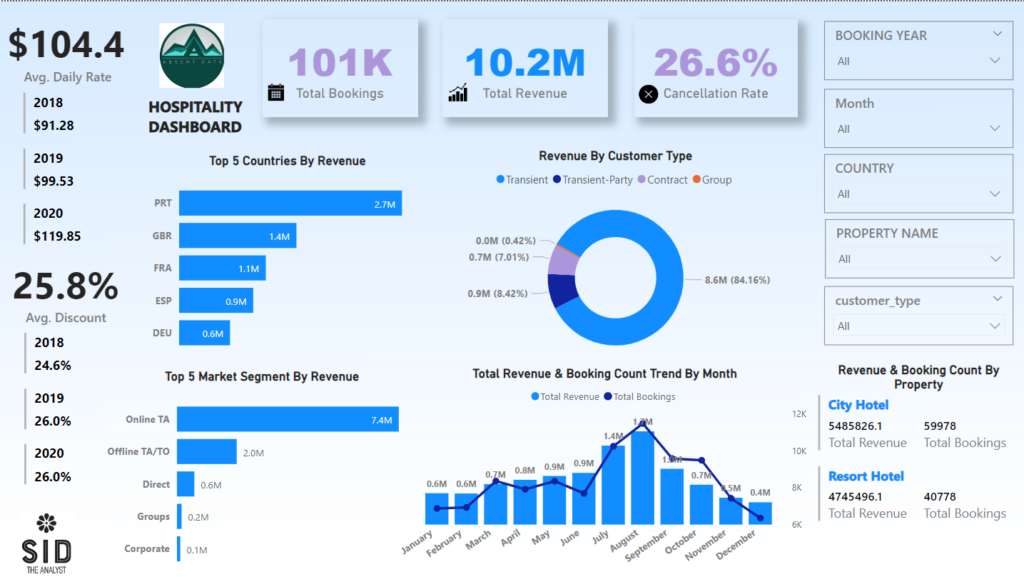
Successful hotel websites are not static—they evolve based on user behavior and performance data.
Hotels should regularly monitor metrics such as:
- Direct booking conversion rate
- Mobile versus desktop performance
- Booking abandonment rate
- Average session duration
- Popular landing pages
- Exit points within the booking process
These insights help identify friction points and guide ongoing improvements that support both guest satisfaction and business growth.
Preparing Hotel Websites for the Future
The modern hotel booking journey is no longer defined by a single visit to a website. Guests move between search engines, social media, review platforms, travel apps, and hotel websites before making a decision. Throughout this journey, they expect speed, transparency, personalization, and convenience.
Hotels that embrace these expectations can create digital experiences that feel effortless from start to finish. By focusing on intuitive design, mobile-first performance, real-time information, streamlined booking flows, and meaningful personalization, hotel websites become more than reservation tools—they become an extension of the guest experience itself.
In 2026, the hotels that earn the most direct bookings will be those that understand one simple truth: every digital interaction shapes a guest’s confidence long before they arrive at the front desk.