A hotel’s website is often the first real interaction a potential guest has with the brand. Before stepping into the lobby or speaking with the front desk, travelers form opinions based on how quickly the website loads, how easy it is to navigate, and how simple it is to book a room.
An attractive website alone isn’t enough to drive reservations. User experience (UX) design plays a direct role in whether visitors complete a booking or abandon the process in favor of an online travel agency (OTA) or a competing hotel.
From page speed to intuitive booking flows, every aspect of UX influences conversion rates, guest satisfaction, and ultimately revenue. Hotels that prioritize user-centered design create smoother digital experiences that encourage visitors to book directly.
What Is UX Design?
User experience (UX) design focuses on making digital products easy, efficient, and enjoyable to use. For hotel websites, this means creating a seamless journey from the moment a visitor arrives until their reservation is confirmed.
A well-designed user experience helps guests:
- Find information quickly
- Compare room options easily
- Trust the booking process
- Complete reservations with minimal effort
- Return for future bookings
Every unnecessary click, confusing menu, or slow-loading page creates friction that can reduce conversions.
Why UX Matters for Hotel Revenue

Many hotels focus on increasing website traffic through advertising and search engine optimization. While attracting visitors is important, converting those visitors into paying guests is what drives revenue.
Even small UX improvements can produce meaningful business results by:
- Increasing direct booking conversions
- Reducing booking abandonment
- Encouraging longer website sessions
- Improving guest satisfaction
- Increasing repeat bookings
- Lowering dependence on commission-based booking platforms
A website that converts more visitors allows hotels to generate greater returns from their existing marketing efforts.
Navigation Shapes the Entire Guest Experience
Website navigation determines how easily visitors can find the information they need. Travelers typically arrive with clear intentions, whether they want to check availability, compare rooms, explore amenities, or view pricing.
When navigation is confusing, visitors become frustrated and leave.
Characteristics of Effective Navigation
A user-friendly hotel website should include:
- Clearly labeled menu items
- Visible booking buttons
- Simple room category pages
- Easy access to contact information
- Straightforward pricing pages
- Logical page hierarchy
Guests should never have to search extensively for essential information.
Reduce Cognitive Load
Too many menu options or competing calls to action can overwhelm visitors.
Instead of presenting every service equally, prioritize the pages guests use most often:
- Rooms
- Rates
- Amenities
- Location
- Special offers
- Book now
Simplifying navigation helps users move confidently toward making a reservation.
Page Speed Directly Affects Conversions
Website speed is one of the most important aspects of user experience. Travelers expect pages to load almost instantly, especially on mobile devices.
When websites are slow, users often leave before viewing available rooms or beginning the booking process.
Common Causes of Slow Performance
Several technical issues can impact loading speed, including:
- Oversized images
- Unoptimized code
- Slow hosting
- Heavy third-party integrations
- Poor mobile optimization
- Excessive animations
Improving performance creates a smoother experience while increasing the likelihood of completed bookings.
Faster Websites Build Trust
Speed also influences perception.
Visitors often associate a fast, responsive website with professionalism, reliability, and quality service. Conversely, slow performance can create doubts about the overall guest experience.
Mobile UX Is Essential
Travelers increasingly research and book hotels using smartphones. Whether planning months in advance or booking at the last minute, guests expect a seamless mobile experience.
Hotels that neglect mobile usability risk losing a significant share of potential direct bookings.
Mobile-Friendly Design Should Include
- Responsive layouts
- Large touch-friendly buttons
- Easy-to-use calendars
- Simplified forms
- Fast-loading pages
- Mobile payment support
Every interaction should feel effortless, regardless of screen size.
Intuitive Booking Flows Reduce Abandonment
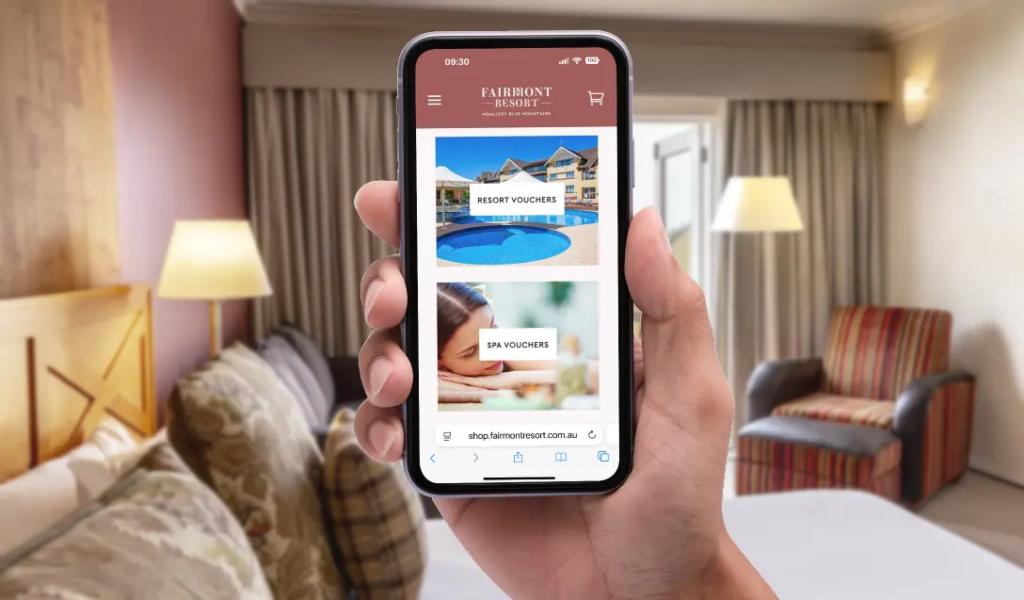
The booking process should guide visitors naturally from selecting dates to confirming payment.
Unfortunately, many hotel websites introduce unnecessary complexity that discourages users from completing reservations.
Common Booking Flow Problems
Examples include:
- Too many booking steps
- Hidden pricing
- Confusing room descriptions
- Repeated data entry
- Mandatory account registration
- Unclear progress indicators
Each additional obstacle increases the chance that guests will abandon the process.
What an Effective Booking Flow Looks Like
A streamlined booking experience should:
- Display availability immediately
- Clearly present room options
- Show transparent pricing
- Minimize form fields
- Offer secure payment options
- Confirm the reservation instantly
The fewer decisions guests need to make, the faster they can complete their booking.
Clear Calls to Action Guide Users
Visitors should always know what to do next.
Strong calls to action remove uncertainty and encourage users to continue through the booking journey.
Examples include:
- Check Availability
- Book Direct
- View Rooms
- Reserve Your Stay
- See Current Offers
Calls to action should remain consistent in wording, placement, and design across the website.
Transparency Builds Confidence
Guests want complete clarity before making a financial commitment.
Unexpected fees or unclear policies often cause visitors to leave just before completing a reservation.
Hotels should communicate:
- Total pricing
- Taxes and fees
- Cancellation policies
- Payment methods
- Check-in and check-out times
- Included amenities
Transparency reduces hesitation and strengthens trust throughout the booking process.
High-Quality Visual Design Supports Better Decisions
Visual presentation is another important element of UX.
Professional photography, clean layouts, and organized content help visitors understand what they are booking.
Effective visual elements include:
- High-resolution room photos
- Images of amenities
- Property maps
- Virtual tours
- Lifestyle photography
- Clear room comparisons
Visual clarity helps guests make decisions faster and with greater confidence.
Personalization Creates More Relevant Experiences
Modern travelers expect websites to adapt to their needs.
Personalized experiences can include:
Returning Guest Recognition
Displaying recently viewed rooms or personalized offers creates a more convenient booking experience.
Relevant Promotions
Present offers based on travel dates, guest preferences, or seasonal demand instead of generic discounts.
Smart Recommendations
Suggest upgrades, breakfast packages, or extended stays that complement the guest’s interests without overwhelming them.
Personalization improves both user satisfaction and average booking value.
Continuous UX Testing Improves Results
Successful hotel websites are constantly refined based on real user behavior.
Hotels should regularly monitor metrics such as:
- Direct booking conversion rate
- Mobile conversion rate
- Booking abandonment
- Bounce rate
- Time spent on booking pages
- Checkout completion rate
Testing different layouts, button placements, booking forms, and navigation structures helps identify improvements that can increase conversions over time.
Common UX Mistakes That Cost Hotels Revenue
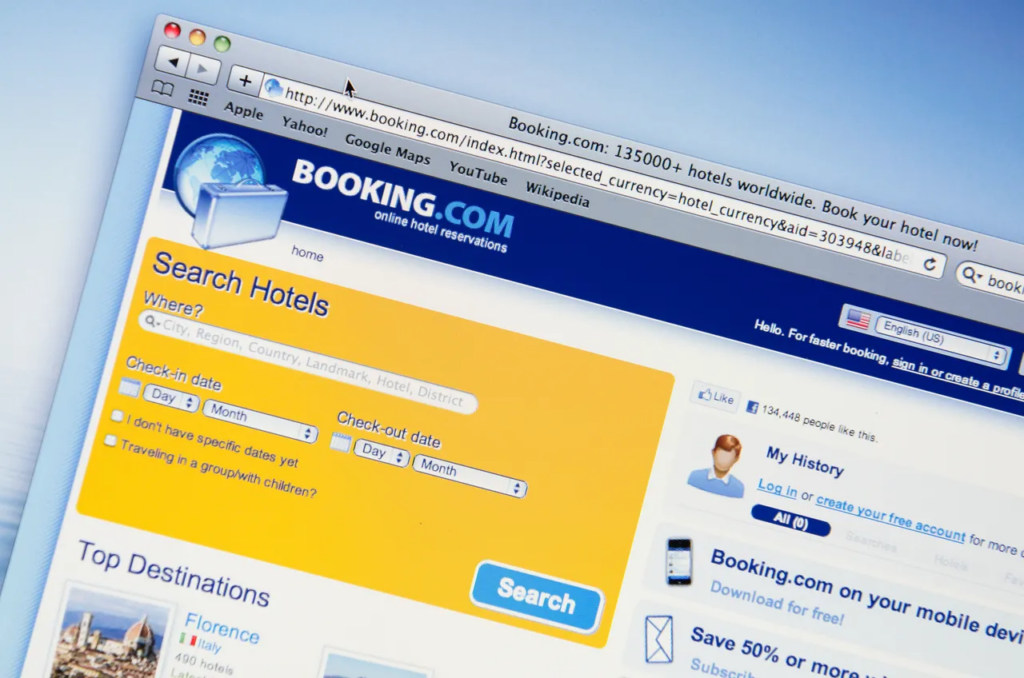
Even visually appealing websites can lose bookings if usability is overlooked.
Watch for these common issues:
- Cluttered homepages
- Difficult navigation
- Slow page loading
- Confusing booking forms
- Hidden fees
- Poor mobile usability
- Inconsistent branding
- Unclear room descriptions
- Broken links
- Complicated checkout processes
Eliminating these friction points often delivers immediate improvements in conversion performance.
UX Is an Investment, Not an Expense
Many hotels view website redesigns as marketing projects, but effective UX design is a revenue strategy. Every improvement that makes the booking process faster, clearer, and more intuitive increases the likelihood that visitors will book directly instead of turning to third-party platforms.
A well-designed hotel website doesn’t simply look modern—it helps guests achieve their goals with minimal effort. Clear navigation, fast performance, transparent pricing, responsive mobile experiences, and intuitive booking flows work together to build confidence at every stage of the customer journey.
As traveler expectations continue to evolve, hotels that invest in exceptional user experience will be better positioned to increase direct bookings, strengthen guest loyalty, and maximize long-term revenue through digital channels.