For years, hotels have focused on driving more visitors to their websites through search engine optimization, paid advertising, email campaigns, and social media marketing. Yet many still lose potential guests at the final stage of the booking journey.
One of the biggest reasons is uncertainty around pricing. Travelers often leave a hotel website to compare rates on online travel agencies (OTAs), unsure whether they’re getting the best deal by booking directly.
This is where price check widgets can make a significant difference. By allowing guests to compare direct rates with prices across major booking platforms in real time, hotels can eliminate doubt, build trust, and encourage more direct bookings.
Rather than hiding from price comparisons, successful hotels embrace transparency and use it as a competitive advantage.
Why Travelers Compare Prices
Modern travelers rarely book the first hotel they find. Instead, they compare multiple properties across different websites before making a decision.
A typical booking journey often looks like this:
- Search for hotels on Google.
- Browse listings on OTAs.
- Visit the hotel’s official website.
- Compare room rates.
- Check reviews and amenities.
- Return to the platform offering the greatest perceived value.
Even guests who prefer booking directly often leave a hotel website simply to verify that they are getting the best available rate.
Without reassurance, many never return.
What Is a Price Check Widget?
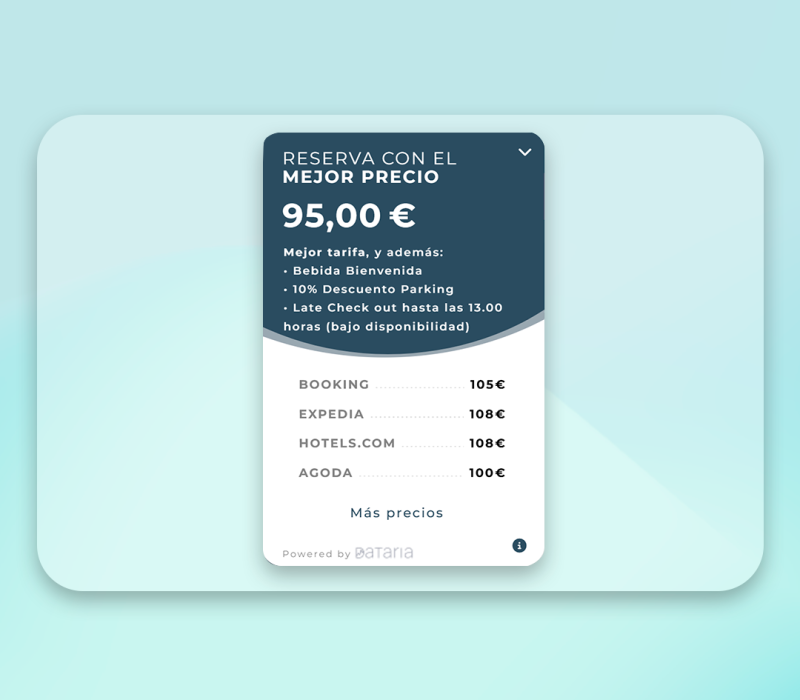
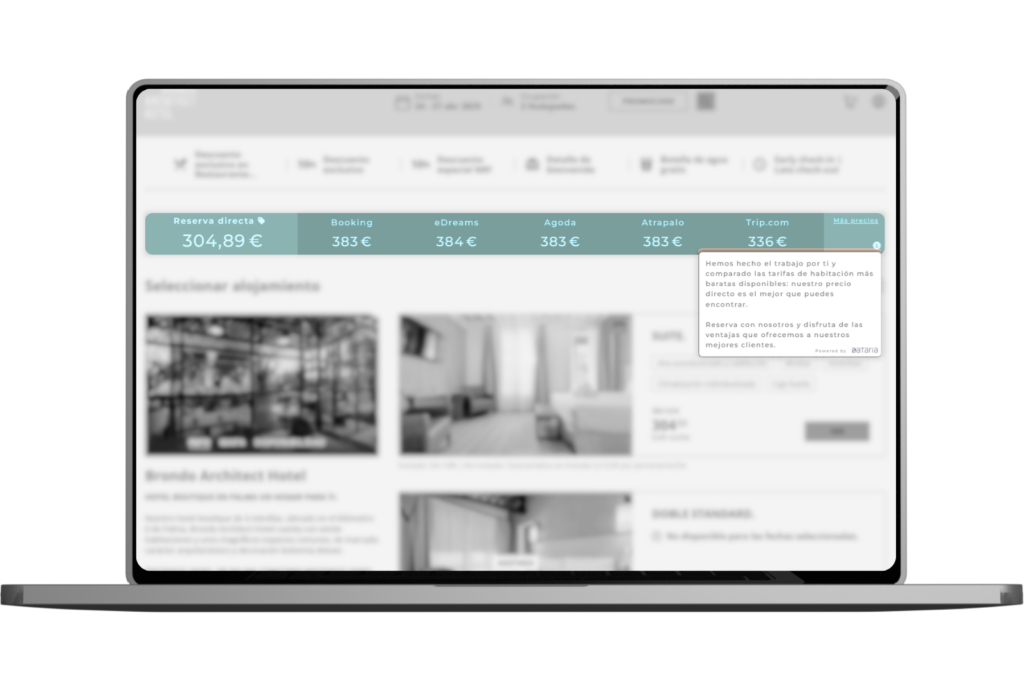
A price check widget is a tool integrated into a hotel’s website that compares the hotel’s direct rate with publicly available prices from major booking platforms.
Instead of forcing guests to open multiple browser tabs, the widget presents pricing information within the booking experience.
Depending on the implementation, it may display:
- Direct booking price
- OTA prices
- Savings available by booking direct
- Exclusive direct booking benefits
- Rate guarantees
- Promotional offers
This immediate comparison removes uncertainty and keeps visitors engaged on the hotel’s website.
Transparency Builds Trust
Trust is one of the most important factors in online purchasing decisions.
When travelers suspect that another website may offer a lower price, they often leave to investigate. Even if they eventually find identical pricing, the interruption increases the likelihood that they’ll complete their reservation elsewhere.
Displaying price comparisons openly demonstrates confidence and honesty.
Guests appreciate hotels that clearly communicate:
- Current room rates
- Included amenities
- Taxes and fees
- Direct booking benefits
- Cancellation policies
Price transparency helps travelers feel more comfortable committing to a reservation without additional research.
Reduce Booking Abandonment
One of the primary causes of booking abandonment is uncertainty.
Questions like these frequently interrupt the decision-making process:
- Is this really the lowest rate?
- Will I save money elsewhere?
- Does another website include breakfast?
- Are there hidden fees?
- Is booking direct actually worth it?
A price check widget answers these questions before visitors feel compelled to leave the booking page.
Reducing uncertainty keeps guests focused on completing their reservation rather than continuing their search.
Highlight the Value of Booking Direct
Competitive pricing is important, but value extends beyond the nightly room rate.
Price check widgets can reinforce the additional advantages of booking directly, including:
- Complimentary breakfast
- Flexible cancellation
- Free parking
- Room upgrades when available
- Loyalty rewards
- Early check-in
- Late checkout
- Exclusive packages
When travelers see both competitive pricing and added benefits, booking directly becomes the obvious choice.
Improve the User Experience
The best digital experiences eliminate unnecessary steps.
Without a price comparison tool, visitors often:
- Open several OTA websites
- Search for the same hotel repeatedly
- Compare room types manually
- Calculate pricing differences
- Return to the hotel website—if they return at all
A price check widget simplifies this process by presenting relevant information in one place.
This creates a smoother booking journey while reducing friction.
Increase Confidence at the Right Moment
Booking decisions are often made within seconds.
At the final stage of the reservation process, guests simply want reassurance that they are making the right choice.
A well-designed price comparison widget provides that confidence by confirming:
- The direct rate is competitive.
- No hidden costs exist.
- Exclusive benefits are included.
- Booking directly delivers greater overall value.
This reassurance can significantly improve conversion rates.
Support Revenue Without Competing on Price Alone
Many hotels believe they must always offer the lowest available price to increase direct bookings.
In reality, travelers consider many factors beyond cost.
These include:
- Booking flexibility
- Guest experience
- Website usability
- Loyalty benefits
- Customer service
- Brand trust
- Convenience
A price check widget helps hotels compete on total value rather than price alone.
Even when room rates are identical across channels, additional direct booking benefits can influence purchasing decisions.
Best Practices for Price Check Widgets
To maximize effectiveness, price comparison tools should be thoughtfully integrated into the booking experience.
Keep Comparisons Simple
Avoid overwhelming visitors with excessive pricing information.
Instead, present:
- Direct price
- Selected OTA prices
- Total savings
- Direct booking benefits
Simple comparisons are easier to understand and encourage faster decisions.
Display Information in Real Time
Guests expect pricing accuracy.
Real-time updates ensure that displayed rates reflect current availability and reduce the risk of disappointment during checkout.
Place the Widget Strategically
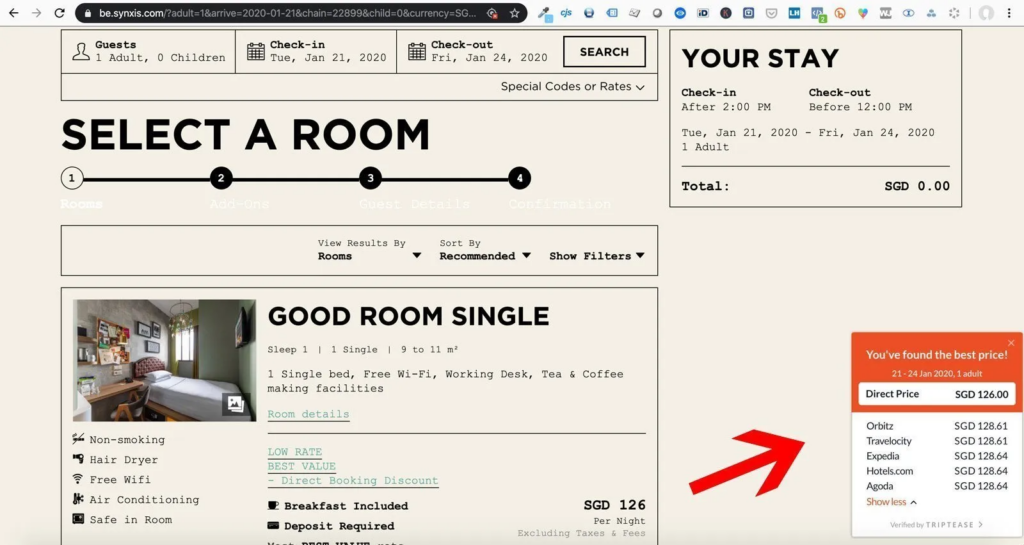
Visibility matters.
Price comparison should appear:
- Near the booking button
- On room detail pages
- During checkout
- Beside pricing information
Guests should see the comparison before they consider leaving the website.
Make Direct Benefits Highly Visible
Don’t assume visitors understand the advantages of booking directly.
Clearly highlight benefits such as:
- Best rate guarantee
- Free breakfast
- Flexible cancellation
- Member discounts
- Complimentary upgrades
- Exclusive offers
Combining transparent pricing with visible incentives strengthens the value proposition.
Avoid Common Mistakes
While price check widgets can increase conversions, poor implementation may reduce their effectiveness.
Avoid:
- Outdated pricing
- Cluttered interfaces
- Slow-loading widgets
- Confusing comparisons
- Hidden conditions
- Excessive promotional messaging
The widget should support the booking journey rather than distract from it.
Integrating Price Checks Into a Broader Digital Strategy
Price comparison tools are most effective when combined with other user experience improvements.
Hotels should also focus on:
- Fast website performance
- Mobile-friendly booking
- Intuitive navigation
- Transparent pricing
- High-quality visuals
- Streamlined checkout
- Personalized offers
- Secure payment options
Together, these elements create a booking experience that feels trustworthy, convenient, and guest-focused.
Turning Price Transparency Into More Direct Bookings
Today’s travelers have more information than ever before, and comparing hotel rates has become a natural part of the booking process. Rather than encouraging guests to leave the website in search of better prices, hotels can address this behavior directly with transparent price check widgets.
By confirming competitive rates, highlighting exclusive direct booking benefits, and removing uncertainty at the moment of decision, these tools help build trust and keep visitors engaged throughout the reservation journey.
When paired with excellent UX design, fast performance, and a seamless booking flow, price check widgets become more than a useful feature—they become a powerful component of a successful direct booking strategy, helping hotels strengthen guest confidence, increase conversions, and reduce reliance on third-party booking channels.