Online travel agencies (OTAs) have transformed the hospitality industry by making it easier for travelers to discover and book accommodations around the world. They offer hotels unmatched visibility and access to millions of potential guests. However, that visibility comes at a cost.
Many hotels have become heavily dependent on OTAs for reservations, sacrificing profit margins, customer relationships, and long-term growth in the process. While OTAs remain an important distribution channel, relying on them as the primary source of bookings can limit a hotel’s profitability.
Your website should be more than an online brochure—it should be your most effective sales channel. By focusing on direct bookings, hotels can reduce acquisition costs, strengthen guest relationships, and build a more sustainable business.
Understanding the Difference Between Direct Bookings and OTAs
A direct booking occurs when a guest reserves a room through the hotel’s own website, phone, email, or reservation team.
An OTA booking is made through a third-party platform that acts as an intermediary between the guest and the hotel.
Both channels play valuable roles, but they offer very different business outcomes.
Direct Bookings Offer Greater Control
When guests book directly, hotels manage the entire customer journey—from the first website visit to post-stay communication.
Hotels can:
- Collect guest preferences
- Build customer loyalty
- Personalize future offers
- Communicate without intermediaries
- Create memorable brand experiences
This level of ownership creates long-term value beyond a single reservation.
OTAs Prioritize Marketplace Convenience
OTAs simplify hotel discovery by allowing travelers to compare prices, locations, amenities, and reviews in one place.
While this convenience attracts bookings, it also places hotels in direct competition with hundreds of similar properties where price often becomes the deciding factor.
As a result, hotels have fewer opportunities to differentiate themselves through brand experience alone.
Comparing Customer Acquisition Costs
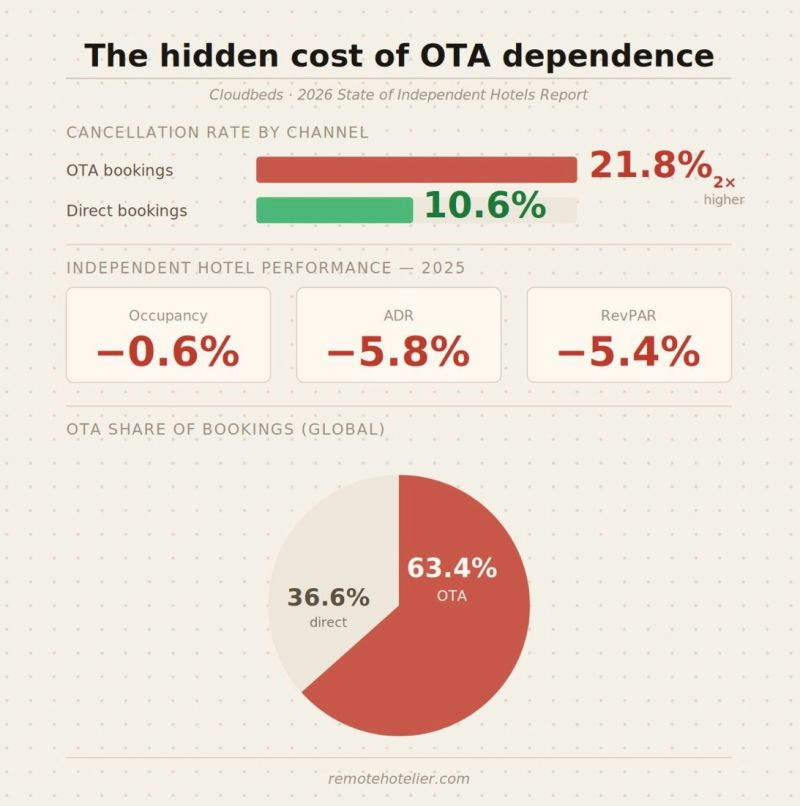
Every booking has an acquisition cost, whether it comes from advertising, search engine optimization, social media campaigns, or OTA commissions.
The key difference lies in how those costs scale over time.
The Cost of OTA Bookings
OTAs typically charge commission on each reservation, reducing the revenue hotels retain from every stay.
Additional challenges include:
- Ongoing commission expenses
- Increased competition based on price
- Limited pricing flexibility
- Dependence on third-party marketing strategies
While OTAs generate demand, the cost of acquiring guests remains tied to every individual booking.
The Value of Direct Acquisition
Driving visitors to a hotel’s own website often requires investment in digital marketing, but those efforts continue generating value over time.
Benefits include:
- Lower long-term acquisition costs
- Better return on marketing investment
- Greater control over campaigns
- Increased brand awareness
- Higher lifetime customer value
As direct traffic grows, each additional booking becomes more profitable.
Customer Ownership Makes a Lasting Difference
One of the greatest advantages of direct bookings is owning the customer relationship.
Hotels that communicate directly with guests can create stronger connections before, during, and after every stay.
Better Guest Data
Direct bookings provide valuable insights, including:
- Travel preferences
- Booking history
- Room preferences
- Special requests
- Communication preferences
This information allows hotels to deliver more personalized experiences.
Stronger Guest Relationships
When hotels own the customer relationship, they can:
- Send personalized offers
- Promote loyalty programs
- Encourage repeat stays
- Offer seasonal packages
- Request post-stay feedback
These interactions strengthen guest loyalty while reducing future acquisition costs.
Long-Term Profitability Favors Direct Bookings
Revenue is only one part of financial success. Profitability depends on how much revenue remains after acquisition costs.
Direct bookings typically contribute more to long-term profitability because hotels retain a larger share of every reservation.
Additional advantages include:
- Higher average booking value
- Greater upselling opportunities
- Increased ancillary revenue
- More repeat customers
- Improved customer lifetime value
The cumulative impact becomes increasingly significant over time.
Why Your Website Is Your Best Sales Tool
A hotel’s website is the only sales channel entirely under its control.
Unlike OTA listings, your website allows you to shape the guest experience from beginning to end.
An effective hotel website should:
- Reflect your brand identity
- Inspire confidence
- Showcase your property
- Simplify booking
- Encourage direct reservations
Every improvement to the website has the potential to increase conversion rates while reducing dependence on third-party platforms.
What Guests Expect From Modern Hotel Websites
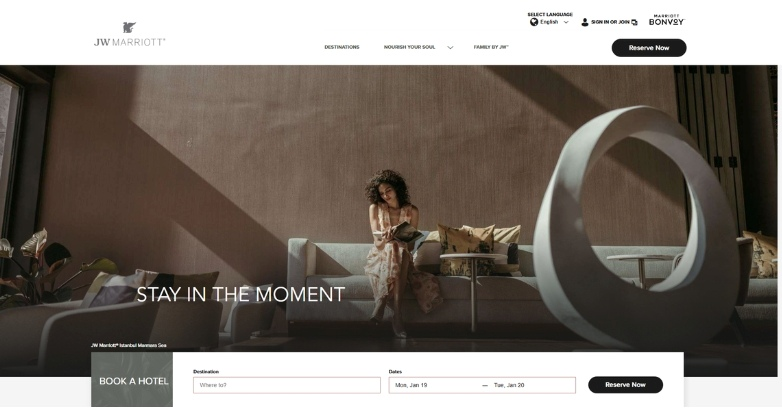
Travelers compare hotel websites to the best digital experiences they encounter every day.
Meeting these expectations requires more than attractive design.
Fast Performance
Guests expect pages to load quickly across all devices.
Slow websites increase abandonment and reduce booking conversions.
Mobile-Friendly Experiences
With many travelers researching and booking on smartphones, responsive design is essential.
Mobile users should enjoy:
- Easy navigation
- Simple booking forms
- Fast-loading pages
- Touch-friendly controls
Transparent Pricing
Visitors want complete clarity regarding:
- Room rates
- Taxes
- Fees
- Cancellation policies
- Included amenities
Transparent pricing builds trust and reduces booking hesitation.
Intuitive Booking Flows
Every step should guide visitors naturally toward completing a reservation.
The booking process should require as few clicks as possible while keeping guests informed throughout.
Competing on Value Instead of Price
Many hotels assume they must offer the lowest available rate to compete with OTAs.
In reality, travelers consider much more than price alone.
Guests also value:
- Flexible cancellation
- Loyalty rewards
- Complimentary breakfast
- Room upgrades
- Personalized service
- Exclusive packages
- Convenient communication
Clearly presenting these benefits encourages travelers to choose direct bookings even when prices are similar across channels.
Reducing Dependence on OTAs
OTAs should complement—not replace—a hotel’s direct booking strategy.
Hotels can gradually increase direct bookings by investing in:
- Search engine optimization
- Content marketing
- Email campaigns
- Loyalty programs
- User experience improvements
- Mobile optimization
- Price transparency
- Exclusive direct booking incentives
Each improvement strengthens the hotel’s own sales channel while reducing reliance on third-party platforms.
Measuring Success
Hotels should regularly evaluate the performance of both booking channels using key metrics such as:
- Direct booking conversion rate
- Website traffic
- Cost per acquisition
- Customer lifetime value
- Repeat booking rate
- Average booking value
- OTA commission costs
Tracking these metrics helps identify opportunities to improve profitability while supporting smarter marketing decisions.
Building a Sustainable Growth Strategy
OTAs will continue to play an important role in hotel distribution, particularly for reaching new audiences and filling rooms during lower-demand periods. However, sustainable growth depends on creating a balanced distribution strategy where direct bookings become an increasingly important source of revenue.
A high-performing hotel website serves as far more than an information hub—it functions as a powerful sales platform that attracts, convinces, and converts visitors into loyal guests. By investing in exceptional user experience, transparent pricing, fast performance, and personalized communication, hotels can reduce acquisition costs, take ownership of valuable customer relationships, and improve long-term profitability.
The most successful hotels are not those that eliminate OTAs entirely, but those that use them strategically while making their own website the preferred destination for guests who are ready to book with confidence.