Booking a hotel is rarely a purely rational decision. While travelers compare prices, locations, and amenities, their final choice is often influenced by psychological factors that shape how they perceive trust, value, and risk.
Every element of a hotel’s website—from guest reviews and room photos to pricing and booking buttons—affects how visitors feel during the decision-making process. Understanding these psychological triggers allows hotels to create digital experiences that build confidence, reduce hesitation, and increase direct bookings.
Rather than relying on aggressive sales tactics, successful hotel websites use thoughtful design and transparent communication to guide guests naturally toward completing a reservation.
Why Hotel Booking Is a High-Trust Decision
Unlike purchasing a physical product, travelers cannot fully experience a hotel before arriving. They are committing their money based on images, descriptions, reviews, and promises.
This uncertainty creates perceived risk.
Guests commonly wonder:
- Will the room look like the photos?
- Is the hotel worth the price?
- Can I trust this website?
- What happens if my plans change?
- Is booking directly the best option?
The role of a hotel’s website is to answer these questions before they become reasons to leave.
Social Proof Builds Confidence
People naturally look to others when making decisions, especially when uncertainty is involved. This behavior, known as social proof, plays a major role in hotel bookings.
When potential guests see evidence that others have enjoyed their stay, they feel more comfortable making a reservation.
Guest Reviews
Authentic reviews provide reassurance that the hotel delivers on its promises.
Displaying recent reviews helps visitors understand:
- Overall guest satisfaction
- Service quality
- Room cleanliness
- Staff friendliness
- Location advantages
Balanced, genuine feedback often builds more trust than only showcasing perfect ratings.
Ratings and Testimonials
Visible ratings and guest testimonials reinforce credibility.
Short testimonials highlighting memorable experiences can help visitors imagine themselves enjoying a similar stay.
User-Generated Content
Photos shared by real guests often feel more authentic than professional marketing images.
Featuring guest experiences on your website demonstrates transparency while strengthening trust.
Urgency Encourages Action

Many travelers postpone booking because they believe they have plenty of time to decide.
Creating a genuine sense of urgency helps reduce unnecessary delays without feeling manipulative.
Limited Availability
Showing that only a few rooms remain for selected dates can encourage guests to book sooner.
Examples include:
- Only a limited number of rooms available
- High demand for selected dates
- Popular room categories selling quickly
Urgency should always reflect real availability to maintain credibility.
Time-Sensitive Offers
Seasonal promotions and exclusive direct booking discounts encourage faster decisions.
Effective offers may include:
- Weekend packages
- Early booking discounts
- Limited-time promotions
- Complimentary upgrades for direct bookings
Clear deadlines motivate action while helping guests understand the value of booking now.
Pricing Transparency Reduces Hesitation
Hidden costs are one of the fastest ways to lose a potential booking.
Guests want complete clarity before entering payment details.
A transparent pricing strategy should include:
- Total room cost
- Taxes and fees
- Resort or service charges
- Cancellation terms
- Payment requirements
When pricing remains consistent throughout the booking process, visitors feel more confident completing their reservation.
Confidence Signals Increase Trust
Trust is built through dozens of small details across a hotel’s website.
These confidence signals reassure visitors that they are making a safe and informed decision.
Secure Payment Indicators
Guests expect visible confirmation that payment information is protected.
Displaying secure checkout messaging and trusted payment options helps reduce anxiety during the final booking stage.
Clear Contact Information
Accessible phone numbers, email addresses, and live chat options demonstrate that real people are available if assistance is needed.
Easy communication builds credibility.
Professional Website Design
Visitors often judge the quality of a hotel by the quality of its website.
A modern, well-organized design communicates professionalism through:
- Clean layouts
- Consistent branding
- High-quality photography
- Fast loading speeds
- Mobile responsiveness
A polished digital experience creates confidence long before guests arrive.
High-Quality Visuals Influence Perception
Travel is highly emotional, and visuals play a significant role in helping guests imagine their stay.
Effective hotel websites showcase:
- Comfortable guest rooms
- Inviting common areas
- Dining experiences
- Wellness facilities
- Outdoor spaces
- Local attractions
Professional photography should accurately represent the property while creating excitement about the experience.
Videos and virtual tours can provide additional reassurance by offering a more immersive view of the hotel.
Simplicity Reduces Decision Fatigue
Too many choices can overwhelm visitors and delay booking decisions.
Hotels can simplify the experience by presenting information clearly.
Instead of overwhelming guests with lengthy comparisons, organize content into manageable sections.
Helpful examples include:
Room Categories
Present each room type with concise descriptions and clear differences.
Amenities
Group amenities into logical categories such as:
- Dining
- Wellness
- Business services
- Family-friendly features
- Accessibility
Booking Process
Guide guests through each step with visible progress indicators and straightforward instructions.
Reducing complexity helps visitors focus on completing their reservation.
Consistency Reinforces Trust
Inconsistencies create doubt.
Guests notice when:
- Prices change unexpectedly
- Room descriptions conflict
- Photos appear outdated
- Branding differs across pages
- Booking information is unclear
Maintaining consistency across the entire website creates a more reliable experience and reduces uncertainty.
Personalization Creates Emotional Connection
Travelers increasingly expect experiences that feel relevant to their needs.
Personalization can include:
- Returning guest recognition
- Recommended room types
- Seasonal offers
- Family packages
- Business travel options
- Local activity suggestions
When visitors feel understood, they are more likely to continue with a direct booking.
Direct Booking Benefits Strengthen Perceived Value
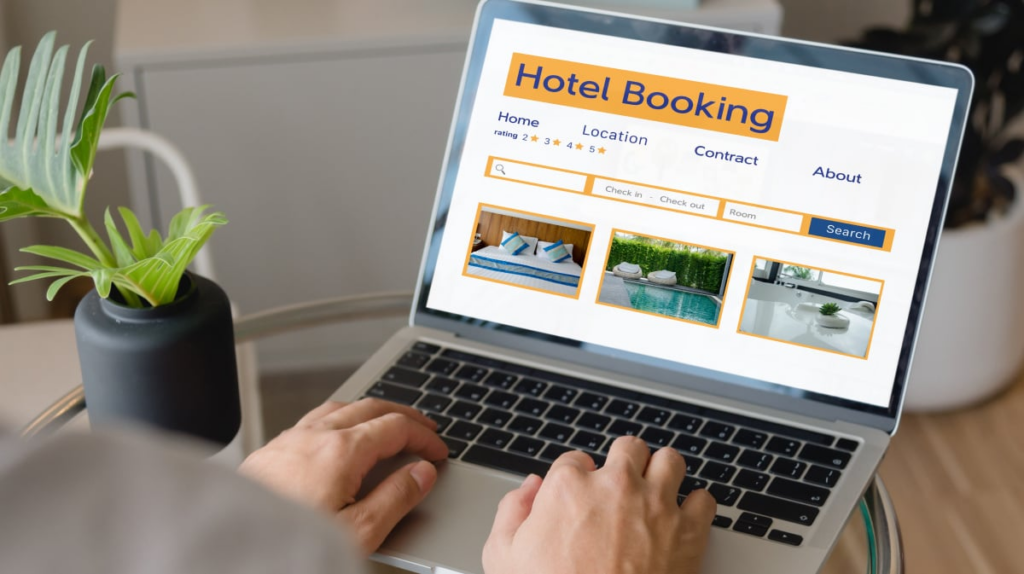
Price is important, but travelers often evaluate overall value rather than choosing the absolute lowest rate.
Hotels should clearly communicate the advantages of booking directly.
These may include:
- Exclusive discounts
- Complimentary breakfast
- Flexible cancellation
- Free parking
- Loyalty rewards
- Room upgrades when available
- Early check-in or late checkout
Visible benefits help justify choosing the hotel’s website over an OTA.
Small Details Have a Big Impact
Many booking decisions are influenced by subtle psychological cues rather than major features.
Examples include:
- Clearly labeled call-to-action buttons
- Fast-loading pages
- Simple navigation
- Transparent policies
- Genuine guest reviews
- Helpful FAQs
- Consistent messaging
- Clean checkout forms
Each positive interaction builds confidence and moves visitors closer to completing their reservation.
Turning Psychology Into Better Booking Experiences
Successful hotel websites do more than present rooms and prices—they create an environment where guests feel informed, reassured, and excited to book. By understanding the psychology behind travel decisions, hotels can reduce perceived risk and make the booking journey feel effortless.
Social proof demonstrates that others have had positive experiences. Genuine urgency encourages timely action without creating pressure. Transparent pricing removes uncertainty, while confidence signals reassure visitors that they are making a secure and worthwhile decision.
When these psychological principles are combined with intuitive design, fast performance, and a seamless booking process, hotels create digital experiences that inspire trust, strengthen guest relationships, and increase direct bookings over the long term.