Hotels invest heavily in marketing, brand awareness, and guest experiences, yet many still struggle to convert website visitors into direct bookings. Travelers often browse a hotel’s website, compare rates, and then complete their reservation through an online travel agency (OTA) instead.
This shift doesn’t always happen because OTAs offer better prices. More often, it happens because hotel websites create unnecessary friction during the booking journey. Slow loading times, confusing navigation, outdated interfaces, and complicated reservation systems make guests hesitate at the very moment they’re ready to book.
The good news is that these challenges are solvable. By improving digital products and designing a smoother online experience, hotels can increase direct bookings, reduce dependence on third-party platforms, and create stronger relationships with guests from the very first interaction.
Why Direct Bookings Matter
Direct bookings provide far more value than simply avoiding commission fees. They allow hotels to build lasting guest relationships while maintaining greater control over the customer experience.
Benefits of increasing direct bookings include:
- Higher profit margins
- Better ownership of customer data
- Easier loyalty program enrollment
- More opportunities for personalized offers
- Stronger brand recognition
- Improved guest communication before and after arrival
Despite these advantages, many hotel websites unintentionally push customers toward alternative booking channels.
Common Conversion Barriers on Hotel Websites
Understanding where visitors encounter obstacles is the first step toward improving conversion rates.
Slow Website Performance
Today’s travelers expect instant results. Every extra second a page takes to load increases the likelihood that visitors will leave before exploring available rooms.
Performance problems often include:
- Large, unoptimized images
- Excessive scripts
- Slow booking engine integrations
- Poor mobile optimization
- Hosting limitations
A fast website creates confidence, while a slow one raises doubts about the quality of the overall experience.
Complicated Booking Processes
Many hotel booking journeys require too many clicks before guests can complete a reservation.
Common frustrations include:
- Multiple unnecessary pages
- Repeated form fields
- Mandatory account creation
- Hidden fees appearing late
- Confusing room selection
Each additional step creates another opportunity for users to abandon the booking.
Poor Mobile Experience
A significant portion of hotel searches now begin on smartphones, yet many hotel websites are still designed primarily for desktop users.
Common mobile issues include:
- Small buttons
- Difficult date selection
- Poorly optimized booking widgets
- Horizontal scrolling
- Hard-to-read text
A booking process that feels effortless on desktop but frustrating on mobile can dramatically reduce conversions.
Lack of Trust Signals
Booking accommodation involves a significant financial commitment. Guests want reassurance before entering payment information.
Hotel websites often miss opportunities to build trust through:
- Clear cancellation policies
- Secure payment indicators
- Genuine guest reviews
- High-quality photography
- Transparent pricing
- Contact information that’s easy to find
Without these confidence-building elements, visitors may turn to OTAs that feel more familiar and secure.
Confusing Navigation
Guests visit hotel websites with specific goals. They typically want to:
- Check room availability
- Compare room types
- View amenities
- Understand pricing
- Book quickly
When navigation becomes cluttered with unnecessary menus or promotional banners, users struggle to find what they need.
Simple navigation reduces decision fatigue and helps visitors stay focused on completing a reservation.
Inconsistent Pricing
Nothing damages trust faster than pricing inconsistencies.
Visitors may discover:
- Different rates across pages
- Unexpected taxes
- Hidden resort fees
- Confusing promotional codes
- Discounts that disappear during checkout
Pricing transparency helps guests feel confident about booking directly instead of searching elsewhere.
How Better Digital Products Improve Direct Bookings
Improving a hotel’s digital experience isn’t simply about making the website look modern. Every design decision should remove friction and support the booking journey.
Build Around User Experience
A hotel website should guide visitors naturally from inspiration to reservation.
Effective user experience focuses on:
- Clear calls to action
- Minimal distractions
- Easy room comparisons
- Intuitive booking flows
- Consistent design patterns
When guests never have to wonder what to do next, conversion rates typically improve.
Make Search Simple
Availability search should be visible immediately.
An effective booking widget includes:
- Arrival date
- Departure date
- Number of guests
- Room selection
- Visible “Book Now” button
Avoid hiding the booking engine behind multiple clicks.
Optimize Every Step of the Booking Funnel
Rather than redesigning everything at once, hotels should analyze where visitors leave the booking process.
Key metrics include:
- Homepage exit rate
- Booking engine abandonment
- Mobile conversion rate
- Checkout completion
- Average booking duration
Small improvements across multiple steps often generate larger gains than one major redesign.
Personalize the Experience
Modern travelers appreciate experiences tailored to their preferences.
Personalization can include:
- Returning guest recognition
- Relevant room recommendations
- Seasonal offers
- Local activity suggestions
- Flexible package options
Personalized content helps guests feel understood while increasing booking value.
Improve Mobile-First Design
Instead of adapting desktop layouts for smaller screens, hotels should prioritize mobile usability from the beginning.
Mobile-first improvements include:
- Larger touch targets
- Faster loading pages
- Simplified forms
- Sticky booking buttons
- Mobile-friendly payment options
The easier it is to book from a phone, the more likely visitors are to complete their reservation immediately.
Reduce Decision Fatigue
Offering too many options can overwhelm guests.
Instead of displaying endless room categories, highlight meaningful differences:
Standard Room
Ideal for short stays and solo travelers.
Deluxe Room
Additional comfort with upgraded amenities.
Suite
Designed for families or guests seeking extra space.
Simple comparisons help visitors choose confidently without spending excessive time evaluating minor differences.
Use Clear Calls to Action
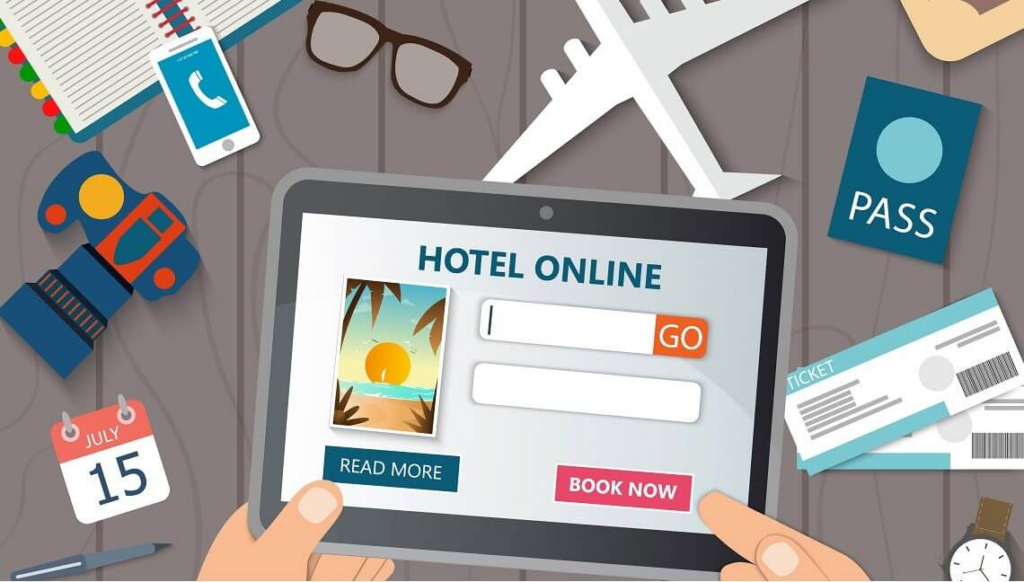
Every important page should encourage visitors to take the next logical step.
Strong examples include:
- Check Availability
- Reserve Your Stay
- View Room Options
- Book Direct for Exclusive Benefits
Calls to action should remain consistent throughout the website.
Integrate Helpful Digital Features
Modern digital products can enhance the booking experience without adding complexity.
Examples include:
- Live availability updates
- Interactive room galleries
- Virtual hotel tours
- AI-powered chat assistance
- Personalized recommendations
- Flexible booking modifications
These features help answer questions before guests leave the website.
Continuously Test and Improve
Digital optimization is an ongoing process rather than a one-time project.
Hotels should regularly test:
- Button colors and placement
- Booking form length
- Homepage messaging
- Promotional banners
- Mobile layouts
- Checkout flow
Even small changes can produce measurable improvements in conversion rates over time.
Creating a Booking Experience Guests Actually Enjoy
The best-performing hotel websites don’t rely on flashy animations or complex technology. Instead, they focus on making the booking process fast, intuitive, and trustworthy.
Every interaction should move visitors one step closer to completing a reservation without confusion or unnecessary effort. Clear navigation, transparent pricing, responsive design, and streamlined booking flows all contribute to a better user experience.
When hotels invest in thoughtful digital products that prioritize guest needs, they do more than increase direct bookings. They create a positive first impression that reflects the quality of the stay itself, helping turn first-time visitors into loyal returning guests.